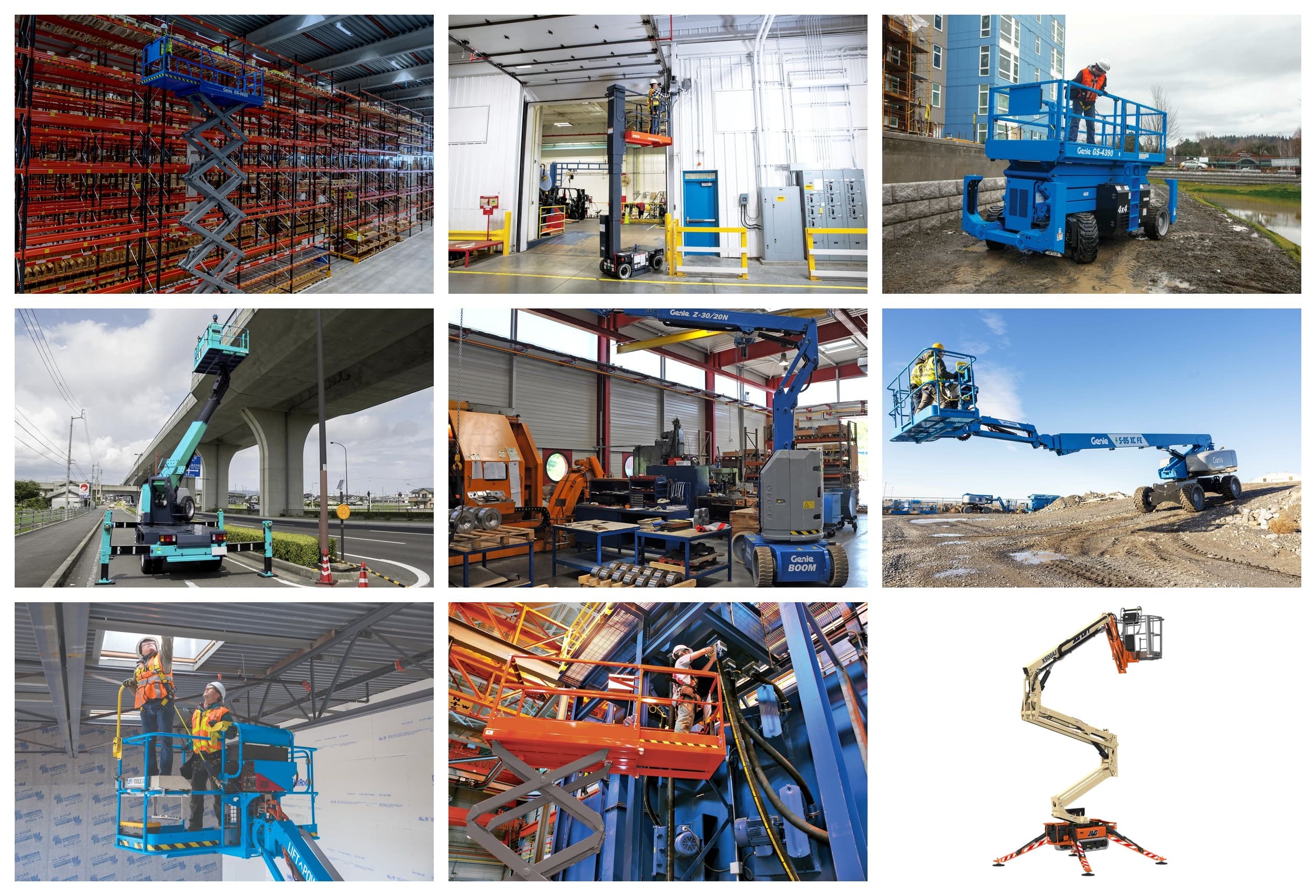
Aerial work platforms, often called AWP or MEWP, are not one single type of machine. They are a full category of equipment designed for working at height.
Many buyers start by asking how much a 10-meter lift costs or whether the supplier has a scissor lift. Those questions matter, but the more important question comes first: where will the equipment be used?
- Will it be used indoors or outdoors?
- Is the ground flat or rough?
- Do you need horizontal outreach?
- Do you need to reach over obstacles?
- Does the machine need to move frequently?
- Is insulated work required near power lines?
- What is the approximate budget?
Different types of aerial work platforms solve different problems. If you choose the right machine, the job becomes much more efficient. If you choose the wrong machine, the equipment may not even enter the jobsite.
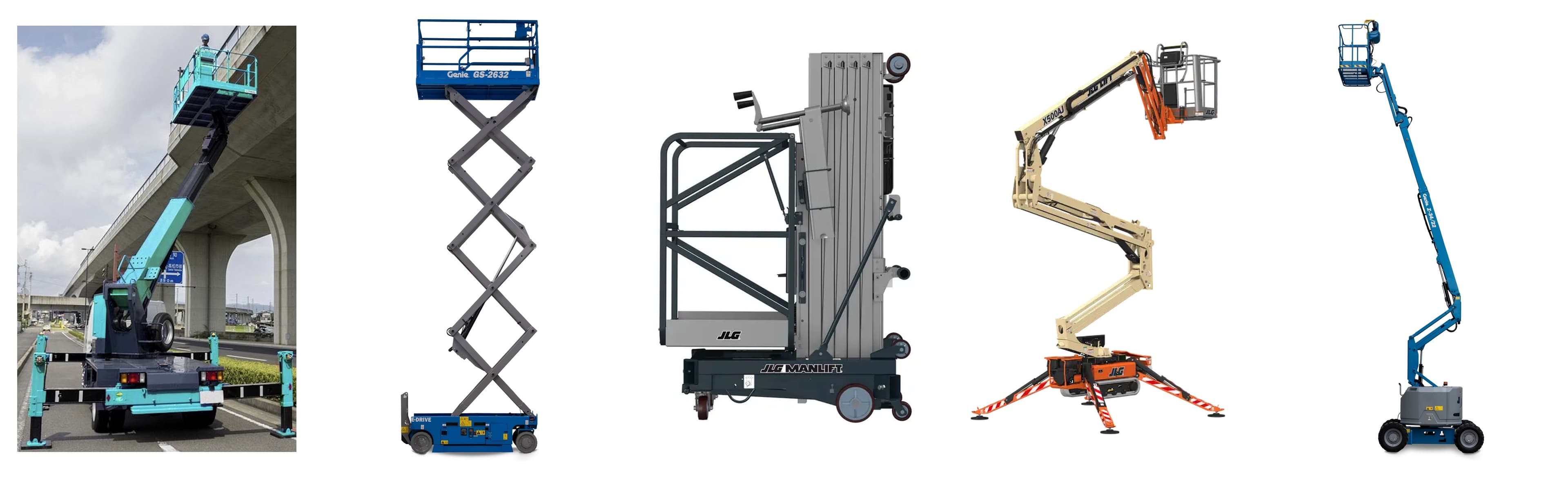
From a product classification perspective, aerial work platforms can be divided into five major groups: Scissor Lift, Mast Lift, Boom Lift, Spider Lift, and Truck Mounted Lift.
- A scissor lift is mainly used for vertical lifting and work on a larger platform.
- A mast lift is mainly used for light indoor maintenance and narrow spaces.
- A boom lift is used when horizontal outreach or obstacle clearance is required.
- A spider lift is used for special terrain, narrow access, and low-load flooring.
- A truck mounted lift is used for mobile work across multiple locations, such as municipal work, utility service, street lighting, and tree care.
Quick comparison of aerial work platform types
The table below gives a practical overview of how different aerial work platforms are commonly positioned. The price index is not an absolute price, but a relative cost reference.
Actual pricing depends on brand, configuration, working height, power type, battery, hydraulic system, control system, certification, transportation, and after-sales requirements.
| Platform type | Price index | Common working height | Common power source | Main features | Typical applications |
|---|---|---|---|---|---|
| Manual Scissor Lift | Low | 4-12 m | Electric lifting / manual movement | Low cost, simple structure, lower moving efficiency | Occasional maintenance, simple indoor work |
| Self-propelled Indoor Electric Scissor Lift | Medium | 6-14 m | Electric | Large platform, good load capacity, ideal for flat floors | Warehouses, factories, logistics centers, shopping malls, exhibition halls |
| Rough Terrain Scissor Lift | Medium-high | 10-18 m | Diesel / electric | Stronger power, better traction, suitable for rough ground | Construction sites, outdoor installation, industrial yards |
| Single Mast Lift | Low | 6-10 m | Electric | Compact, lightweight, suitable for single-person work | Hotels, offices, shopping malls, light maintenance |
| Double Mast Lift | Low-medium | 8-14 m | Electric | More stable than a single mast, higher working height | Shopping malls, exhibition halls, indoor factory maintenance |
| Compact Vertical Mast Lift | Medium | 6-12 m | Electric | Compact, maneuverable, suitable for premium indoor spaces | Airports, exhibition halls, hotels, libraries |
| Electric Boom Lift | High | 12-24 m | Electric | Horizontal outreach, low noise, zero local emissions | Industrial maintenance, indoor/outdoor work, reaching over obstacles |
| Diesel Boom Lift | High | 14-40 m+ | Diesel | High power, suitable for outdoor and difficult ground conditions | Construction, municipal work, steel structures, ports |
| Articulating Boom Lift | High | 12-32 m | Electric or diesel | Can reach around obstacles, highly flexible | Pipes, machinery, walls, trees, complex work areas |
| Telescopic Boom Lift | High-very high | 16-40 m+ | Mainly diesel, also electric models | Higher reach and long horizontal outreach | Steel structures, facades, large projects, municipal work |
| Special Configuration Boom Lift | High-very high | Varies by design | Electric / diesel / hybrid | Designed for specific jobsite conditions | Narrow spaces, special terrain, specific industries |
| Spider Lift | High-very high | 14-30 m+ | Diesel / electric / semi-automatic | Tracked chassis, outriggers, strong access capability | Tree care, churches, atriums, low-load flooring, narrow access |
| Telescopic Truck Mounted Lift | Medium-high / high | 16-30 m+ | Vehicle chassis / hydraulic system | Good height and horizontal outreach | Open areas, municipal maintenance, elevated work |
| Articulating Truck Mounted Lift | Medium-high / high | 12-28 m | Vehicle chassis / hydraulic system | More flexible for reaching around obstacles | Complex urban spaces, tree care, municipal maintenance |
| Insulated Truck Mounted Lift | High-very high | 10-24 m+ | Vehicle chassis / hydraulic system | Insulated work capability for electrical applications | Power utility, electrical networks, work near energized lines |
The height ranges above are common market ranges, not absolute limits. For example, self-propelled scissor lifts are commonly found in the 6 to 14 meter working height range.
Above 14 meters, the machine becomes taller, heavier, and more demanding in stability, transport, jobsite conditions, and cost. Higher scissor lifts exist, but they are no longer the most common choice for many buyers.
Boom lifts commonly become more relevant from around 12 meters because their core value is not just going up. It is reaching out and reaching over obstacles.
1. Scissor Lift
A scissor lift is one of the most common types of aerial work platforms. Its lifting structure opens in a crisscross pattern, and the platform mainly moves vertically.
- Large platform area.
- Good load capacity.
- Relatively simple operation.
- Suitable for workers and tools at the same time.
- Ideal for vertical work at height.
Scissor lifts are commonly used in warehouses, factories, shopping malls, exhibition halls, airports, logistics centers, construction sites, and installation or maintenance work.
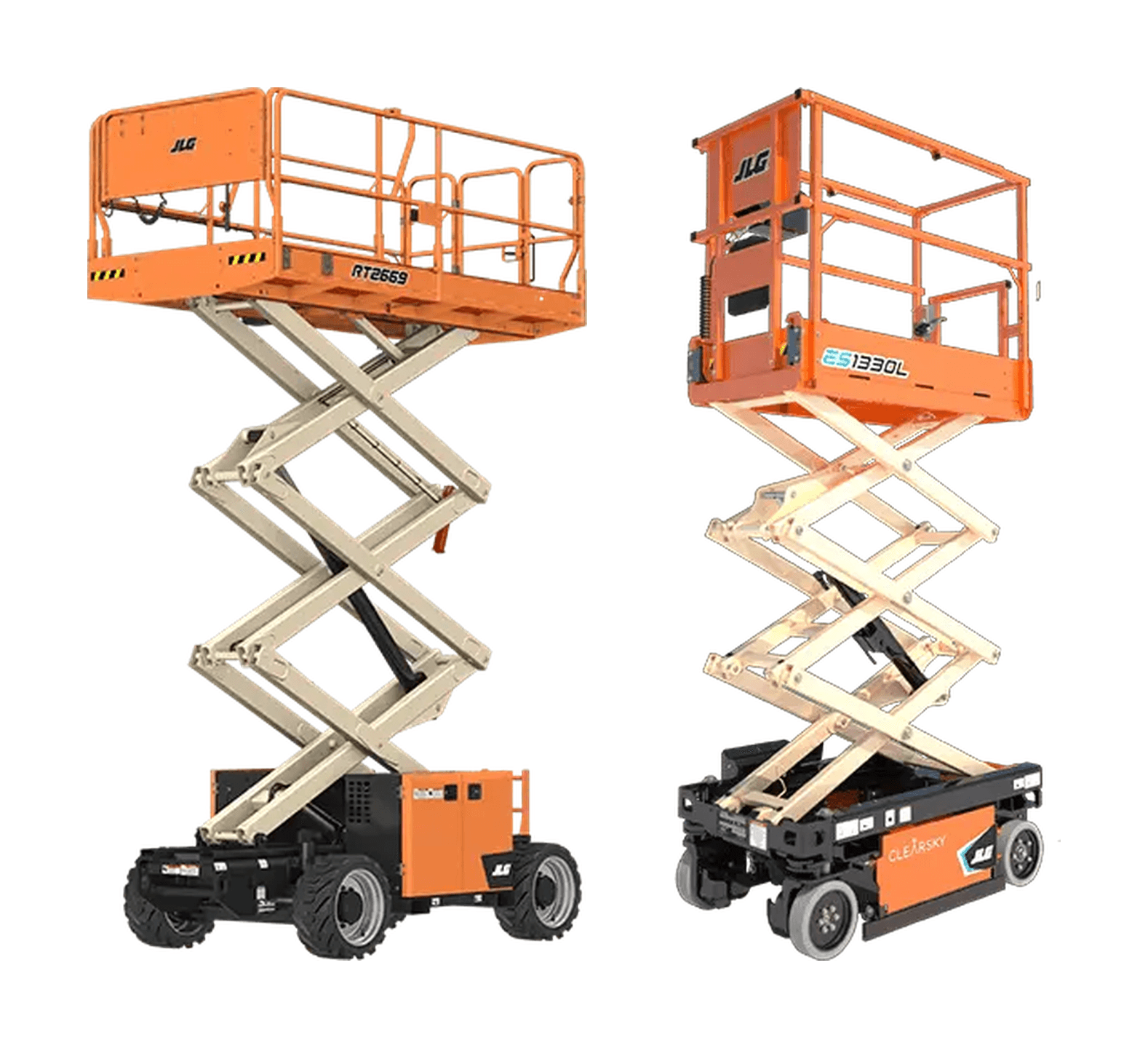
Self-propelled indoor electric scissor lift
Price index medium. Common working height 6 to 14 m. Electric power. Best for flat indoor floors, wide warehouses, factories, shopping malls, airports, and exhibition halls.
The operator can stand on the platform and control driving, steering, lifting, and lowering. There is no need to push the machine manually.
- Solid tires.
- Small turning radius.
- Battery power.
- Low noise.
- Zero local emissions.
- Good performance on flat, hard floors.
It is useful for warehouse rack maintenance, factory ceiling inspection, lighting installation, fire pipe installation, interior finishing work, and logistics center maintenance.
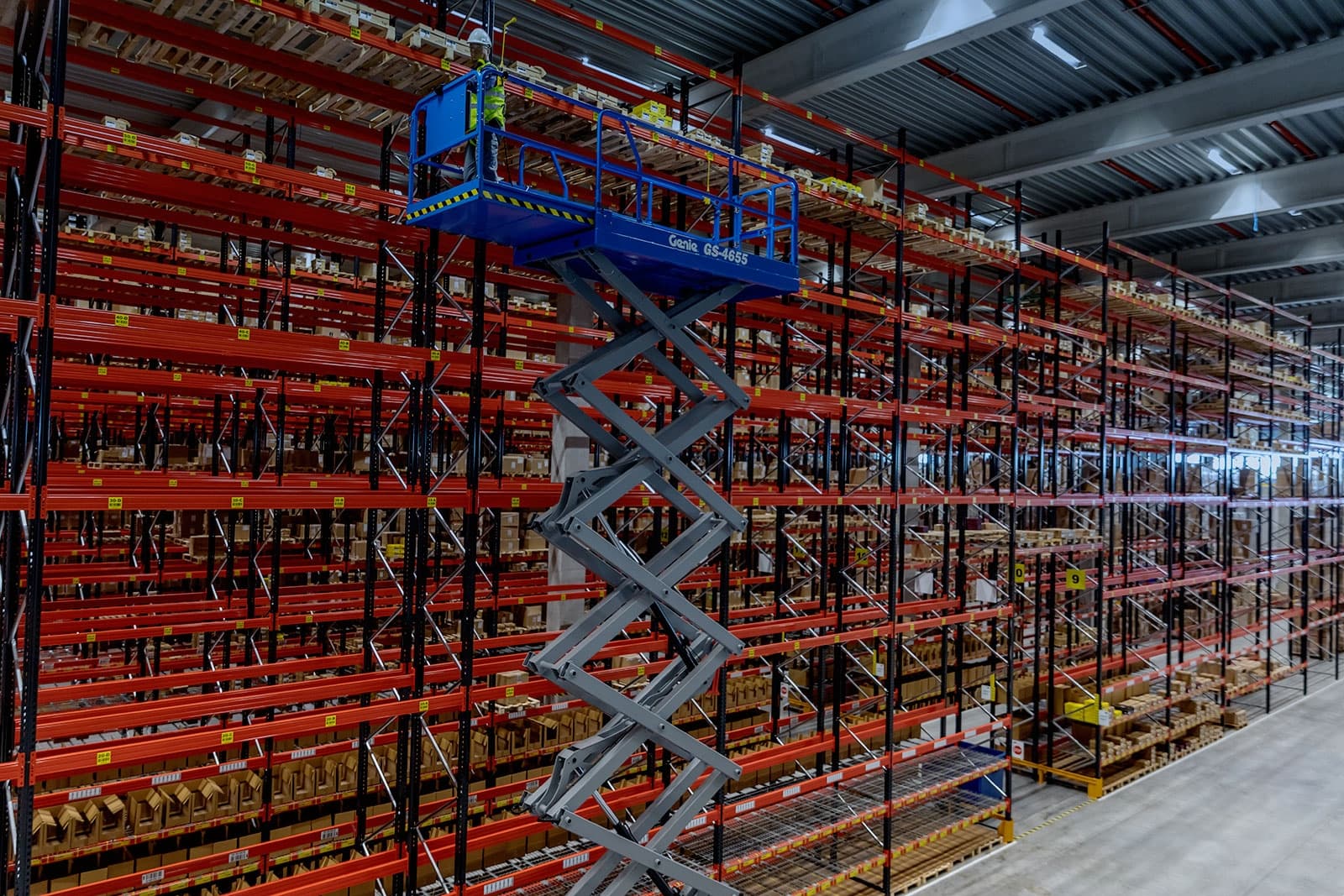
It is not suitable for mud, gravel, potholes, steep slopes, or rough construction sites. Key selection points include platform size, working height, width, load capacity, battery runtime, extension deck, and access through doors, elevators, or aisles.
Rough terrain scissor lift
Price index medium-high. Common working height 10 to 18 m. Electric or diesel power. Best for construction sites, rough ground, industrial yards, and outdoor maintenance.
The main difference from a standard indoor electric scissor lift is the chassis and ground capability.
- More power.
- Larger tires.
- Higher ground clearance.
- Better gradeability.
- Better performance on uneven ground.
- Outriggers on some models.
- Higher load capacity in many cases.
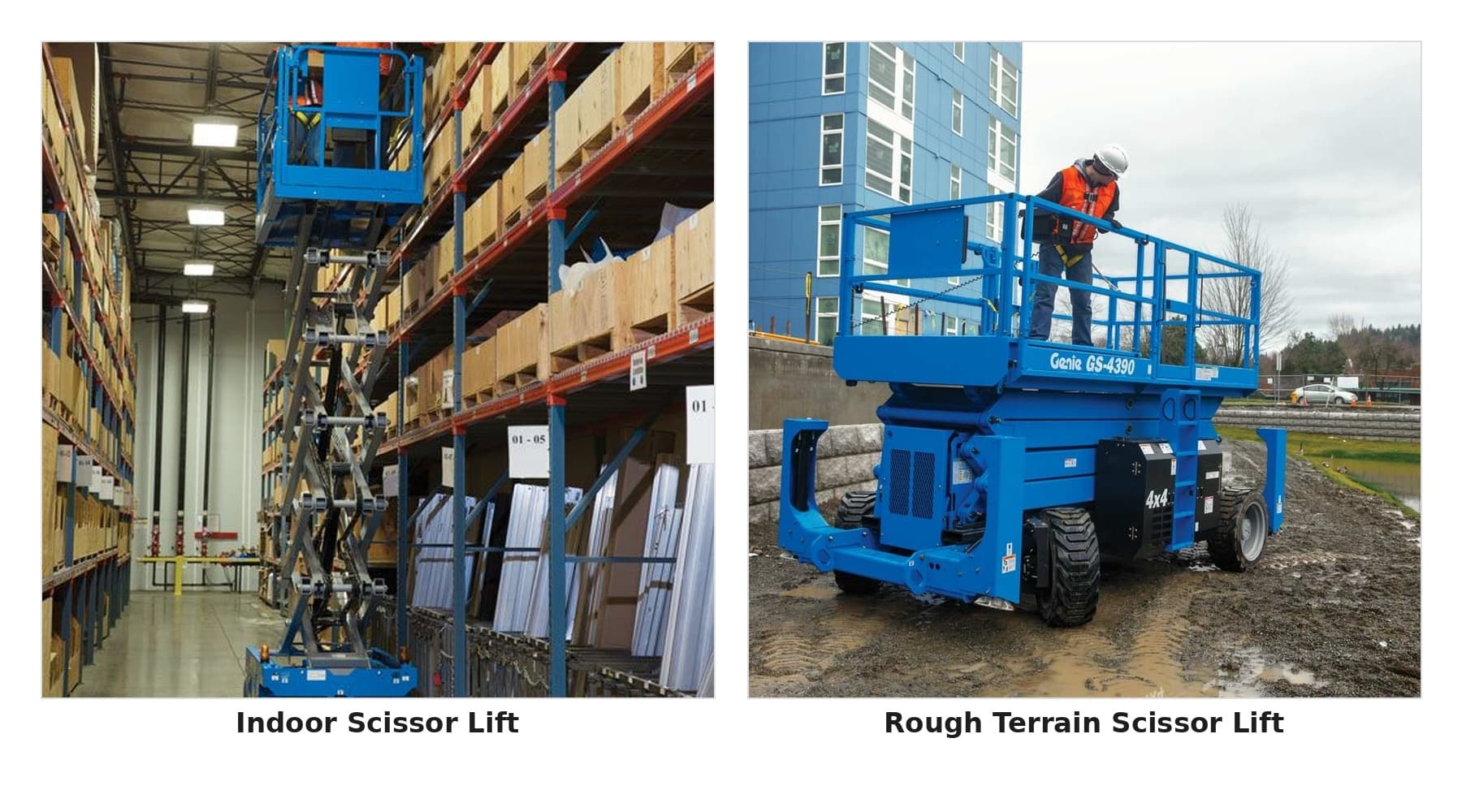
If the job is mainly vertical and a larger platform is needed, a rough terrain scissor lift can be practical. If horizontal outreach or obstacle clearance is required, a boom lift is usually more suitable.
Manual scissor lift
Price index low. Common working height 4 to 12 m. Lifting is often electric and movement is manual. Best for occasional use, limited budgets, and simple indoor maintenance.
It is suitable for changing lights, small maintenance, occasional warehouse inspection, and simple indoor installation. It has low purchase cost, but requires manual pushing and is not ideal for frequent use.
2. Mast Lift
A mast lift is a compact aerial work platform designed for light work at height. Compared with a scissor lift, it usually has a smaller platform and lower load capacity, but better access in tight spaces.
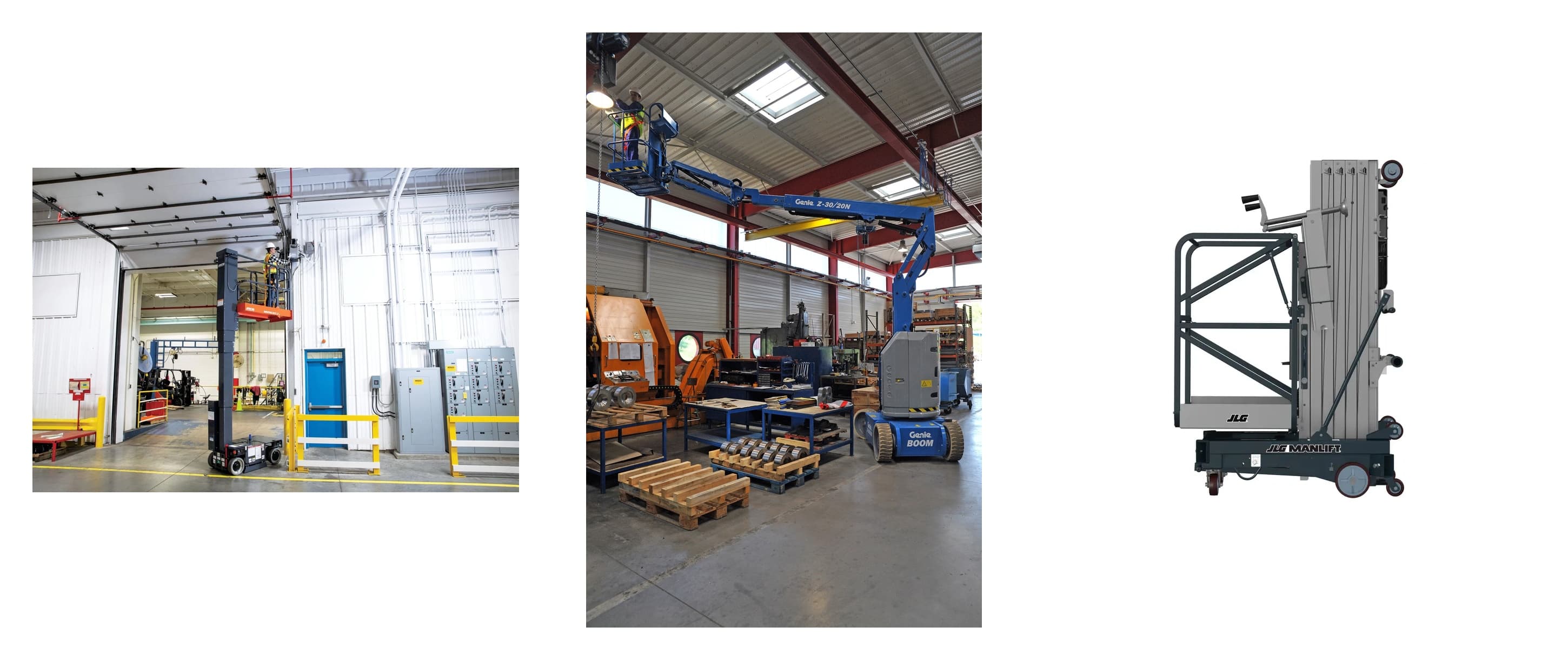
- Compact size.
- Relatively light weight.
- Good access capability.
- Suitability for narrow spaces.
- Single-person or light-duty work.
- Lower cost than many boom lifts and self-propelled scissor lifts.
Single mast lift
Price index low. Common working height 6 to 10 m. Best for single-person light indoor maintenance, including lights, air conditioning, ceilings, wiring, and simple repairs.
The platform is small, and stability is usually lower than a double mast lift. It is an economical option for occasional work, not for multiple workers at the same time.
Double mast lift
Price index low-medium. Common working height 8 to 14 m. It offers better stability, higher working height, and stronger platform support than a single mast.
It is used for indoor factory maintenance, shopping malls, exhibition halls, hotels, and indoor installation, but it is still a light-duty machine. For more load or multiple workers, a scissor lift is often better.
Compact vertical mast lift
Price index medium. Common working height 6 to 12 m. It is compact, maneuverable, and suitable for airports, shopping malls, exhibition halls, hotels, libraries, and offices.
Some models allow platform-level driving, but platform area and load capacity remain limited. For more tools or multiple workers, consider a scissor lift.
Mast lift vs scissor lift
If you need single-person work, narrow access, limited tools, lower work frequency, a limited budget, and light indoor maintenance, a mast lift may be the better starting point.
If you need multiple workers, a larger platform, higher load capacity, frequent use, more tools, and constant movement inside a warehouse or factory, a self-propelled electric scissor lift is usually more suitable.
3. Boom Lift
The core value of a boom lift is not a large platform. Its core value is reach. Unlike a scissor lift, which mainly moves vertically, a boom lift provides horizontal outreach.
It is suitable for facades, steel structures, industrial equipment inspection, municipal projects, construction sites, complex workspaces, and jobs that require reaching over obstacles.
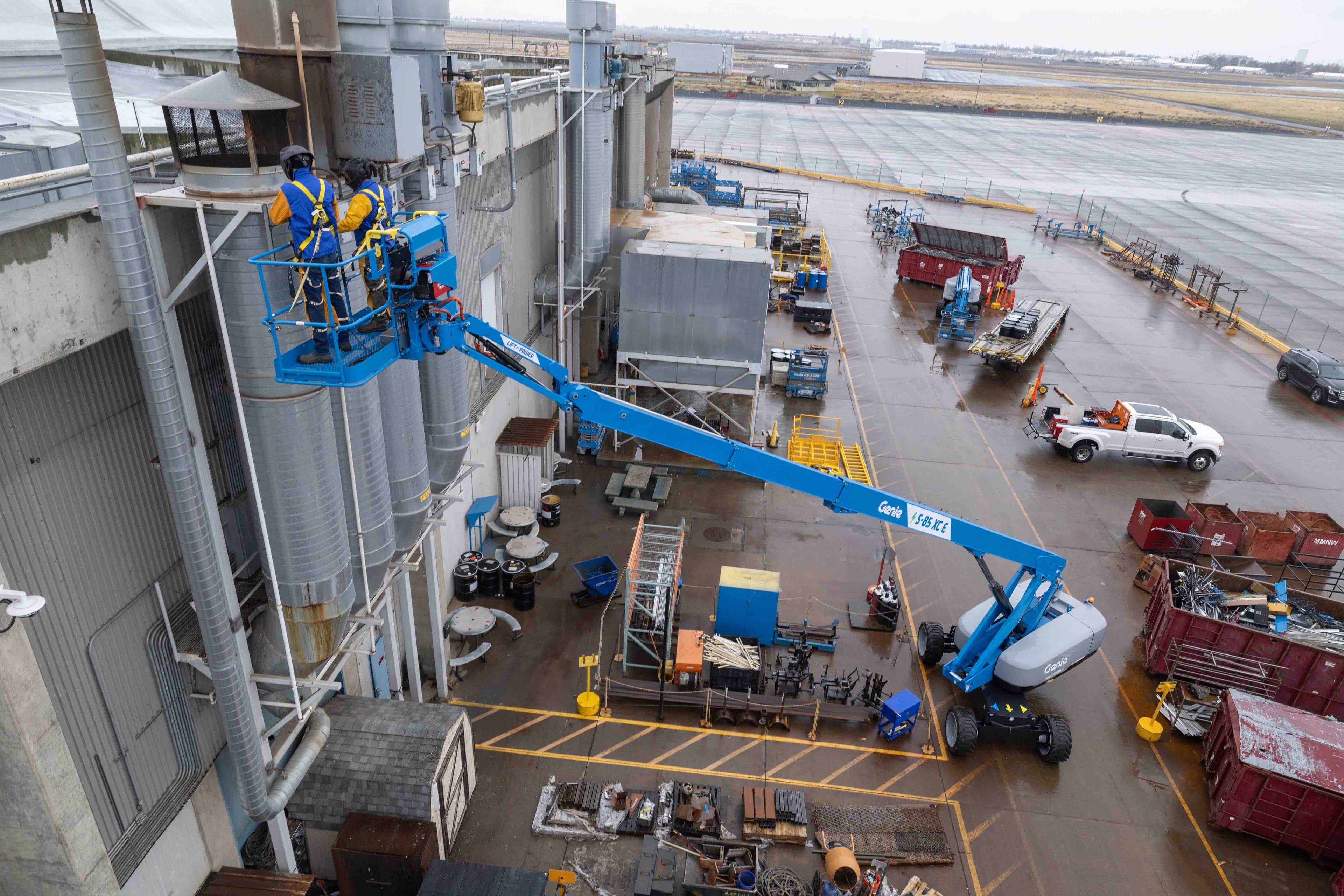
Electric boom lift
Price index high. Common working height 12 to 24 m. Battery electric power. Best for environments where low noise, low emissions, and smooth control matter.
It is used in factories, malls, exhibition halls, airports, logistics centers, and equipment-dense areas. It is usually not the best choice for very rough outdoor ground.
Diesel boom lift
Price index high. Common working height 14 to 40 m or more. It is mainly used outdoors, including jobsites, municipal work, ports, steel structures, and industrial exterior maintenance.
It has strong power, good ground capability, and wider height and outreach ranges. It is usually not suitable indoors because of emissions, noise, size, and weight.
Articulating boom lift
Price index high. Common working height 12 to 32 m. It can be electric or diesel. Its advantage is reaching around pipes, equipment, walls, trees, corners, and complex structures.
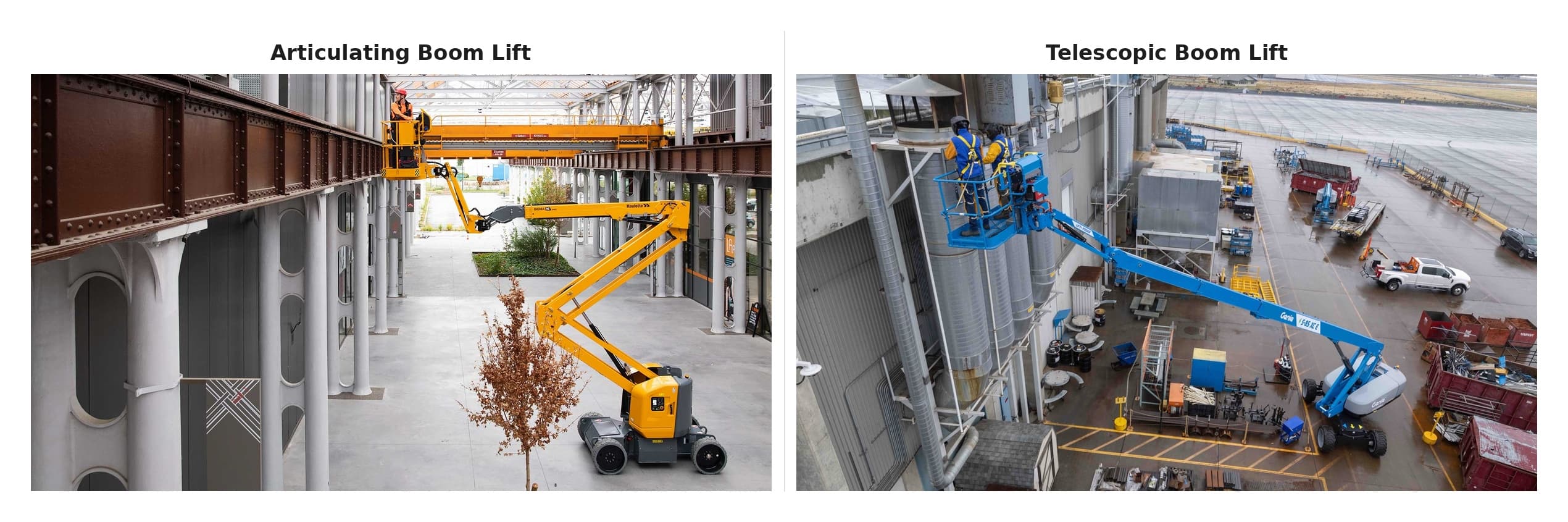
It answers whether the platform can reach the work point, not only whether the machine can reach a certain height.
Telescopic boom lift
Price index high-very high. Common working height 16 to 40 m or more. It is mainly diesel, although electric models exist. Best for high reach, long outreach, and open jobsites.
It is used in steel structures, facades, large plants, ports, municipal work, airports, and large industrial projects. If obstacles are present, an articulating boom may be better.
Special configuration boom lift
Price index high-very high. Height varies by design. It can be electric, diesel, or hybrid. It is used when the site requires low weight, compact size, small turning radius, low emissions, or low floor loading.
4. Spider Lift
A spider lift usually uses a tracked chassis and outriggers. When deployed, its support legs spread out on the ground, which is why it is called a spider lift.
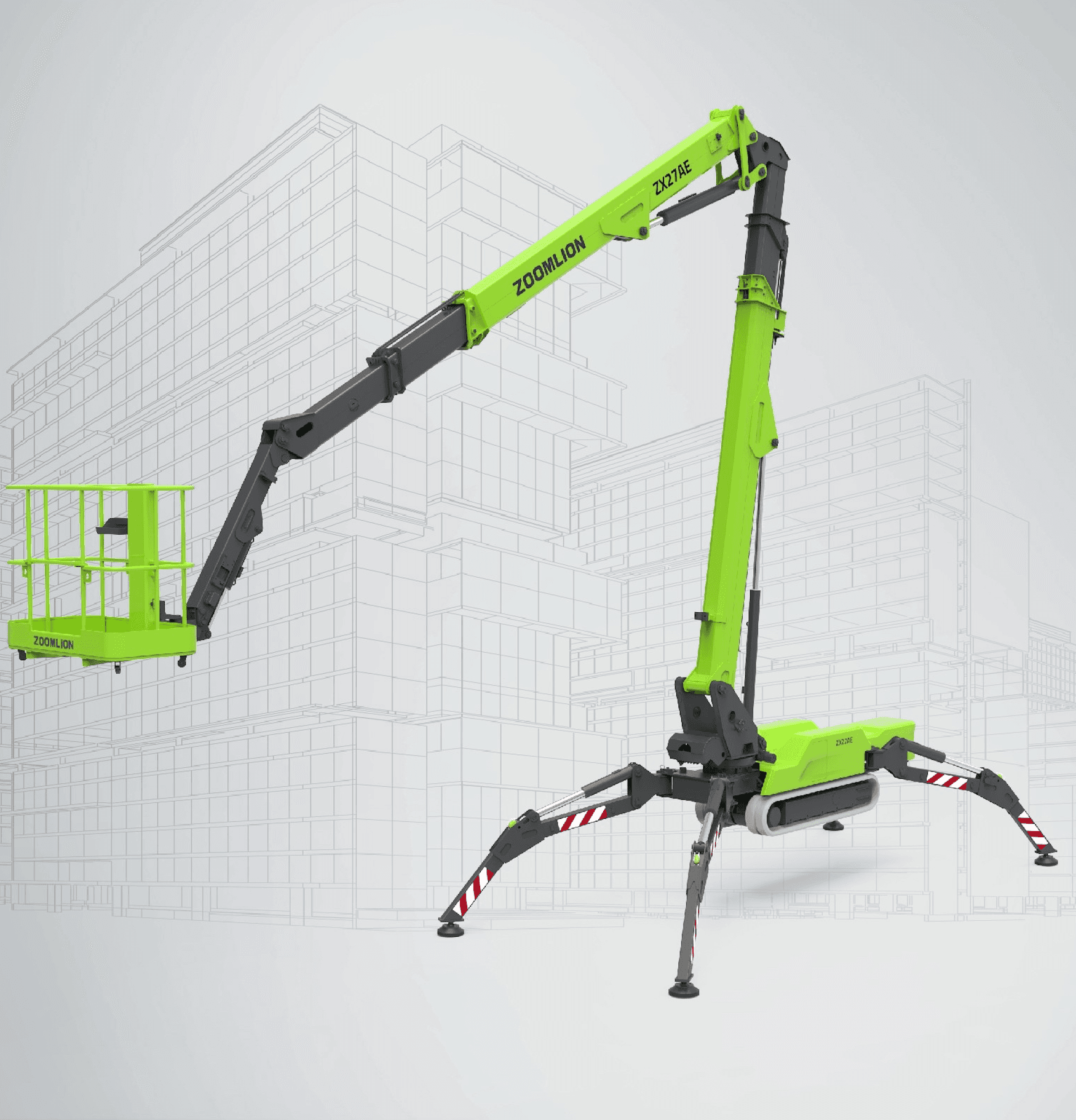
- Strong access capability.
- Stable outrigger support.
- Ability to enter narrow areas.
- Suitability for complex terrain.
- Suitability for low-load floors.
- Suitability for special buildings and tree care work.
Spider lifts are commonly used for tree trimming, church maintenance, atriums, residential gardens, work behind narrow entrances, special buildings, and areas where standard wheeled machines cannot enter.
Diesel spider lift
Price index high-very high. Common working height 14 to 30 m or more. Best for outdoor work, tree care, complex terrain, and longer operating periods, but not for most enclosed indoor environments.
Electric spider lift
Price index high-very high. Common working height 14 to 30 m or more. Best for indoor work, low noise, low emissions, atriums, malls, exhibition halls, hotels, churches, and low-load floors.
Semi-automatic spider lift
Price index medium-high / high. Height varies by model. It may cost less than a highly automated model, but requires more from the operator and may be less efficient.
5. Truck Mounted Lift
A truck mounted lift is installed on a vehicle chassis. Its core advantage is mobility: moving between jobsites, working at multiple locations, driving on roads, and handling municipal, utility, street lighting, tree care, and sign maintenance work.
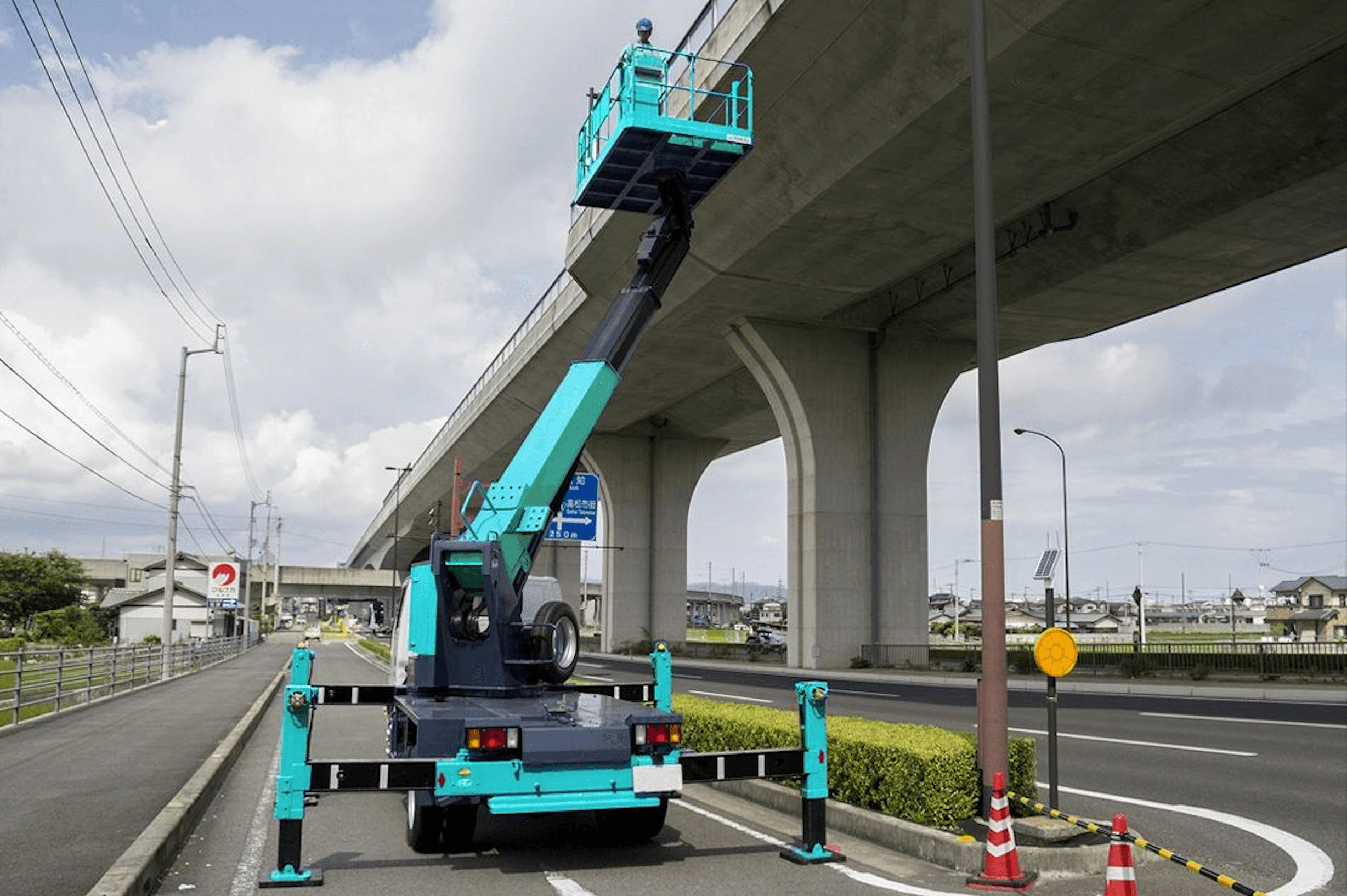
Standard truck mounted lift
Price index medium. Common working height 10 to 22 m. Best for general municipal work, street lighting, tree care, signs, and low-to-medium height exterior maintenance.
Telescopic truck mounted lift
Price index medium-high / high. Common working height 16 to 30 m or more. It works well in open areas where good height and horizontal outreach are needed.
Articulating truck mounted lift
Price index medium-high / high. Common working height 12 to 28 m. It is useful in cities, parks, roads, areas with trees, utility poles, and building edges because it can reach around obstacles.
Insulated truck mounted lift
Price index high-very high. Common working height 10 to 24 m or more. It is mainly used for power utility work, electrical networks, and work near energized lines.
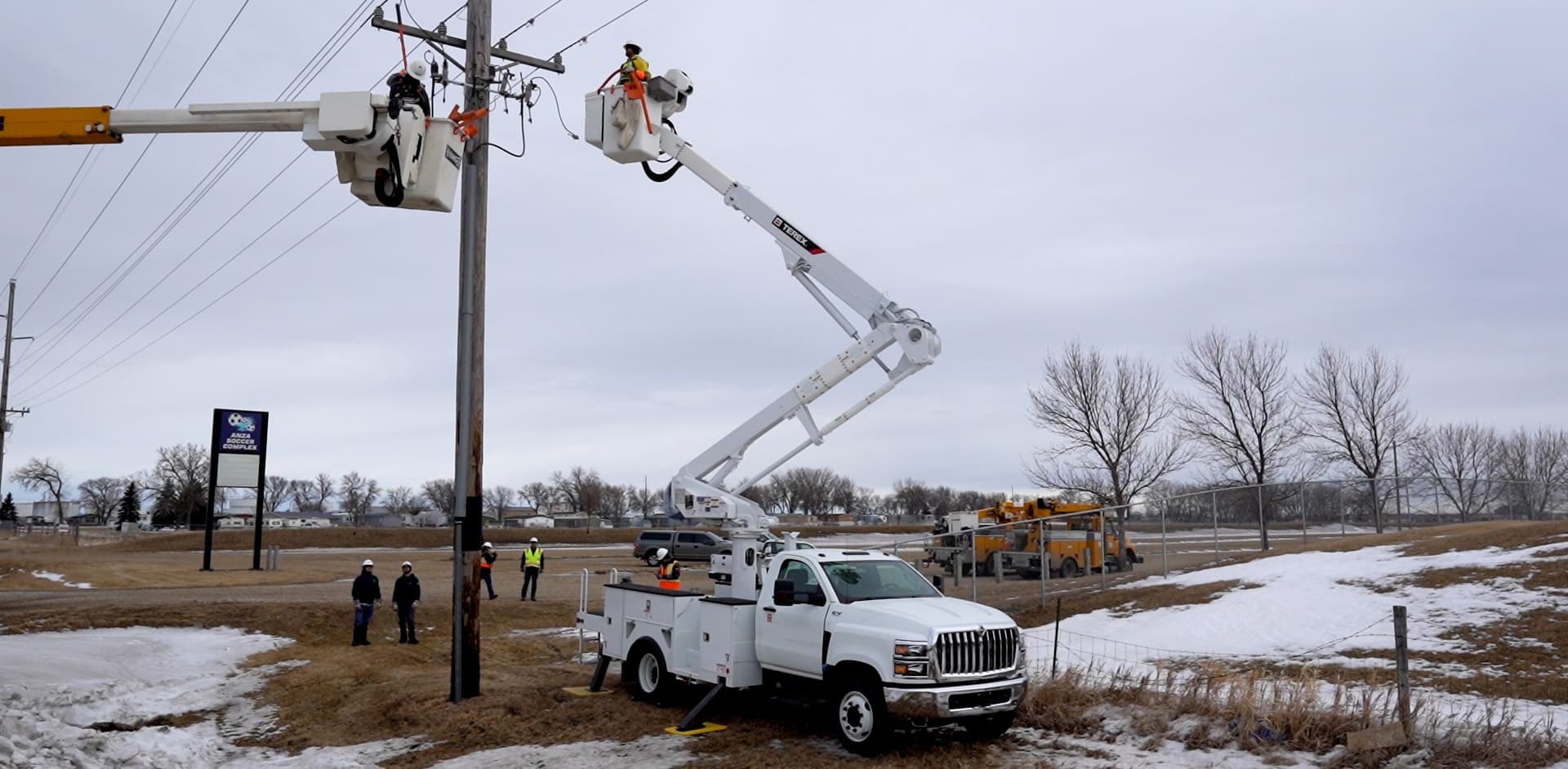
- Insulation rating.
- Electrical safety.
- Industry standards.
- Work procedures.
- Chassis configuration.
- Platform insulation performance.
- Testing and certification requirements.
6. How to choose the right aerial work platform by jobsite
- Wide indoor warehouse, logistics center, or factory: self-propelled electric scissor lift.
- Narrow aisles, shopping malls, hotels, or supermarkets: mast lift or narrow scissor lift.
- Construction site, rough ground, or outdoor installation: rough terrain scissor lift or diesel boom lift.
- Work that requires reaching over obstacles: articulating boom lift.
- Higher reach and longer horizontal outreach: telescopic boom lift.
- Special terrain, narrow access, or low-load floors: spider lift.
- Mobile work across multiple locations, municipal work, utility work, street lighting, or tree care: truck mounted lift. For electrical work, review insulated models.
7. When choosing an AWP, do not look only at height and price
Many buyers send an inquiry with only height and quantity. For example: how much is a 10-meter scissor lift? But with the same working height, there may be completely different machines.
- Manual scissor lift.
- Self-propelled electric scissor lift.
- Rough terrain scissor lift.
- Mast lift.
- Electric boom lift.
- Truck mounted lift.
Before requesting a quotation, clarify indoor or outdoor use, ground condition, slope, horizontal outreach, obstacles, aisle width, entrance limits, people and tools, moving frequency, insulation requirements, and budget range.
Only after this information is clear can the right equipment type be selected. Otherwise, the lowest price may not save money. It may simply mean buying the wrong machine.